
Expert Tips: Avoiding Common Tax Mistakes in Your Startup
MF
Understanding Common Tax Mistakes
Starting a business is an exciting adventure, but navigating the tax landscape can be daunting. Many startups make common tax mistakes that can be costly in the long run. Understanding these pitfalls is the first step toward avoiding them. By being proactive and informed, entrepreneurs can save both time and money.

Inadequate Record Keeping
One of the most frequent mistakes startups make is poor record keeping. Maintaining accurate financial records is crucial for preparing tax returns and defending against audits. It's essential to keep track of all income and expenses, and organize receipts and invoices properly. Consider using accounting software to streamline this process and ensure everything is in order.
Without reliable records, it's challenging to substantiate deductions and credits. This can lead to missed opportunities for tax savings and potential penalties. Investing in a good record-keeping system will pay off over time.
Misclassifying Employees
Another common error is misclassifying workers as independent contractors instead of employees. The IRS has strict guidelines for determining worker status, and misclassification can result in hefty fines and back taxes. It's important to understand the criteria for each classification and ensure your team members are categorized correctly.

Overlooking Deductions
Startups often overlook valuable deductions that can significantly reduce taxable income. Commonly missed deductions include home office expenses, business travel, and startup costs. It's crucial to research available deductions and consult with a tax professional to ensure you're maximizing your savings.
Keeping detailed records of all business expenses will help identify potential deductions. Remember, even small savings can add up over time, providing additional resources for growth.
Filing Late or Incorrectly
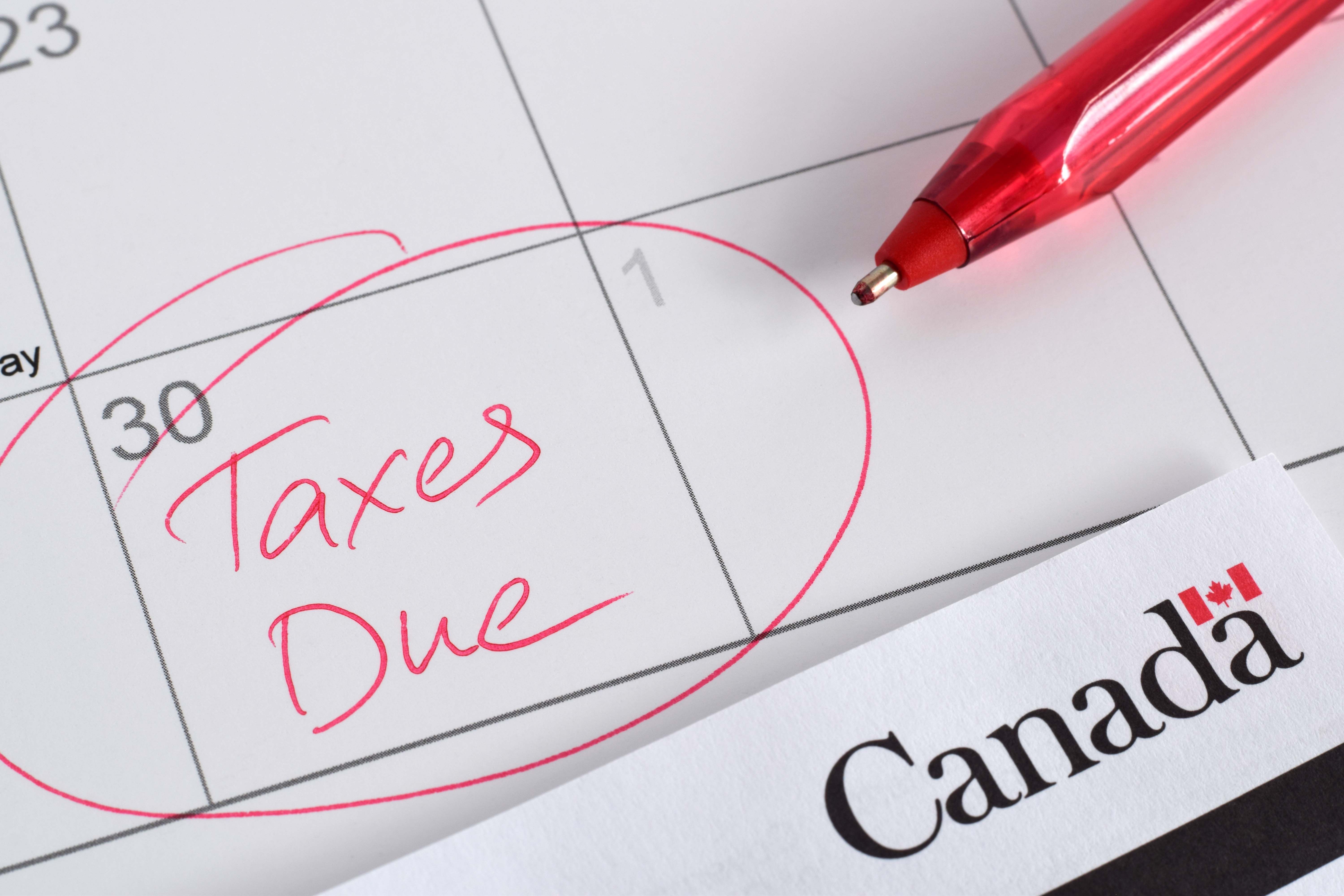
Filing taxes late or inaccurately can lead to penalties and interest charges that eat into your profits. Ensure you understand the filing deadlines and requirements for your business structure. Hiring a tax professional can help you avoid mistakes and ensure your returns are filed correctly and on time.
Ignoring Tax Planning
Many startups fail to engage in proactive tax planning, which can lead to unexpected liabilities. Regularly reviewing your financial situation and anticipating tax obligations will help you make informed decisions throughout the year. Tax planning can also uncover opportunities for tax credits and incentives that you may not be aware of.
Consider working with a tax advisor who specializes in small businesses to develop a strategy tailored to your startup's unique needs.
Conclusion
Avoiding common tax mistakes requires diligence and a proactive approach. By investing time in understanding tax obligations and maintaining accurate records, startups can avoid costly errors and focus on what they do best—growing their business. Remember, when in doubt, consulting with a tax professional is always a wise investment.